Leadership and Listening
 |
 |
 |
Leadership and listening go hand in hand.
Leaders who lead listen to understand, then to be understood. They understand the relationship between leadership and listening.
What you will find here are my insights from a study that investigates the relationship between effective listening and leadership.
This fascinating study was conducted by Gregory L. Rynders, Battalion Chief of Sandy Fire Department in Sandy, UT.
The purpose of the research project was "to determine IF a relationship exists between leadership and listening." And if so, to answer the following questions:
- What are the barriers to effective listening?
- Is empathetic listening a necessary trait of an effective leader?
- What is effective leadership?

Leadership and Listening
As you can well imagine, the research indicates there is a positive relationship between leadership and listening.
If you have worked for a leader who is a good listener, you know it. They take the time to not only ask for your opinion, they are also willing to accept your comments and seek to truly understand your point of view.
This quote from Dr. Butch Odom really caught my eye because it captures the purpose of actively listening, "Engage in actively listening today so that you might understand what is being said."
Barriers To Effective Listening
So what are the barriers to effective listening? Why are some managers poor listeners?
First, take a look at Chief Rynders definition of listening:
|
"Listening involves not only hearing the speakers words, but understanding the message and its importance to the speaker, and communicating that understanding to the speaker." |
He goes on to say: "Of all the communication skills, listening is the earliest learned and the most frequently used, yet it seems to be the least mastered."
Mastering a skill, especially the ability to listen well, requires time, intention and desire.

Empathic Listening
Of the levels of listening described by Stephen Covey, empathic listening is the most difficult to master but brings great dividends.
Empathy is defined as "the ability to understand and share the feelings of another." In other words, an empathic listener lets the speaker tell what they think and/or feel.
Empathic listening requires one to be fully present, a willingness to hear the speaker's words and desire to truly understand the meaning of what is being communicated.
Effective Leadership
As it relates to effective leadership, the study sites five things effective leaders do that make them effective. They are:
- Communicate well
- Listen effectively
- Demonstrate approachability
- Delegate effectively
- Lead by example
Think back and reflect on the leaders you have reported too. If they were effective leaders, they probably possessed all of these traits (and more).
Most of all, their ability to listen effectively made a positive impression on you.
Summary
This study confirms what we already know: there is a positive relationship between listening and effective leadership.
Effective leaders listen. They do not pretend to know it all because it is impossible for one person to know everything.
They rely on the talented, capable individuals on their team. And they show it by asking for input from and listening to what their direct reports have to say.
Want To Know More?
Perhaps you would like to improve your ability to listen. If so, please take a look at this survey on Leadership and Listening. I am confident you will find practical ways to apply some of the insights.
Virtual (Online) Learning Opportunity
 |
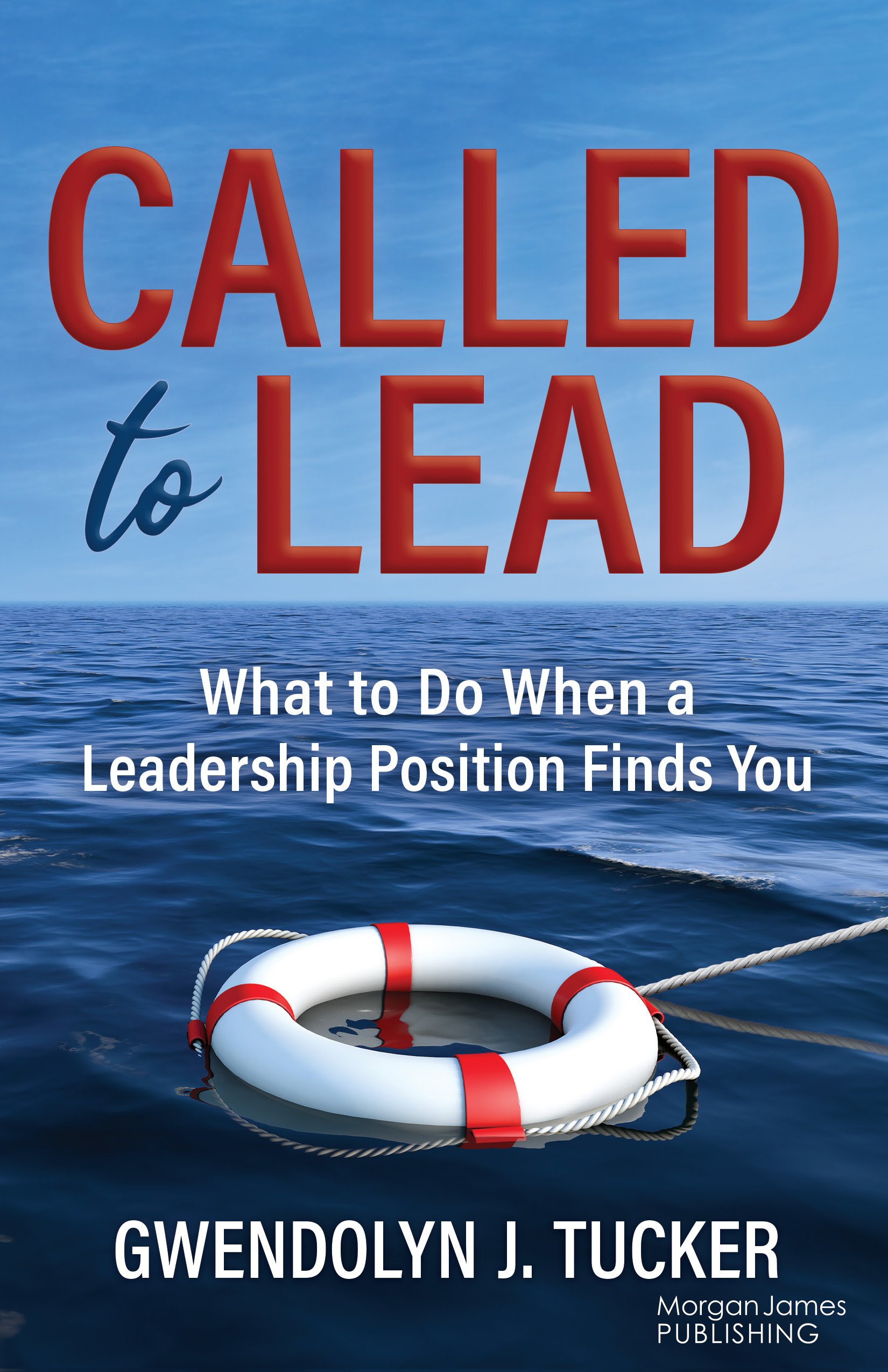
Join me for a focused conversation designed to offer a clear roadmap for what to do when a leadership position finds you—whether you pursued it or it found you.
This session creates space for reflection, real‑world application, and honest dialogue about what it takes to lead with clarity, courage, and confidence.
Whether you’re stepping into leadership for the first time or strengthening your existing leadership muscles, this Lunch & Learn will meet you where you are and help you become the leader you were called to be.
Want to join the waitlist? Do so below.
Bonus Gift
Improve Your Relationship with Your Boss
Did you choose your boss, or did your boss choose you?
Either way, strengthening that relationship is always a smart move.
Wouldn’t you agree?
If so, the Boss Relationship Worksheet is a practical tool designed to help you:
- Communicate more effectively,
- Understand your supervisor’s expectations, and
- Build a healthier, more productive working partnership.
Clarity with your boss starts here.
Share your information in the form below, and your download will be on its way.
Strong leadership starts with knowing how to work well with the person you report to.
After completing the Boss Relationship Worksheet, take a look at the information below. It will prove helpful in showing you how to cultivate a better working relationship with your boss: