Boss Relationship Worksheet
 |
 |
 |
The Boss Relationship Worksheet gives you a clear, practical way to understand your supervisor, communicate with confidence, and strengthen the partnership that shapes your day‑to‑day success.
Success at work is highly influenced by your relationship with your immediate supervisor; therefore, it is important to cultivate a good working relationship with your boss. That begins with gaining a better understanding of who s/he is and their modus operandi.
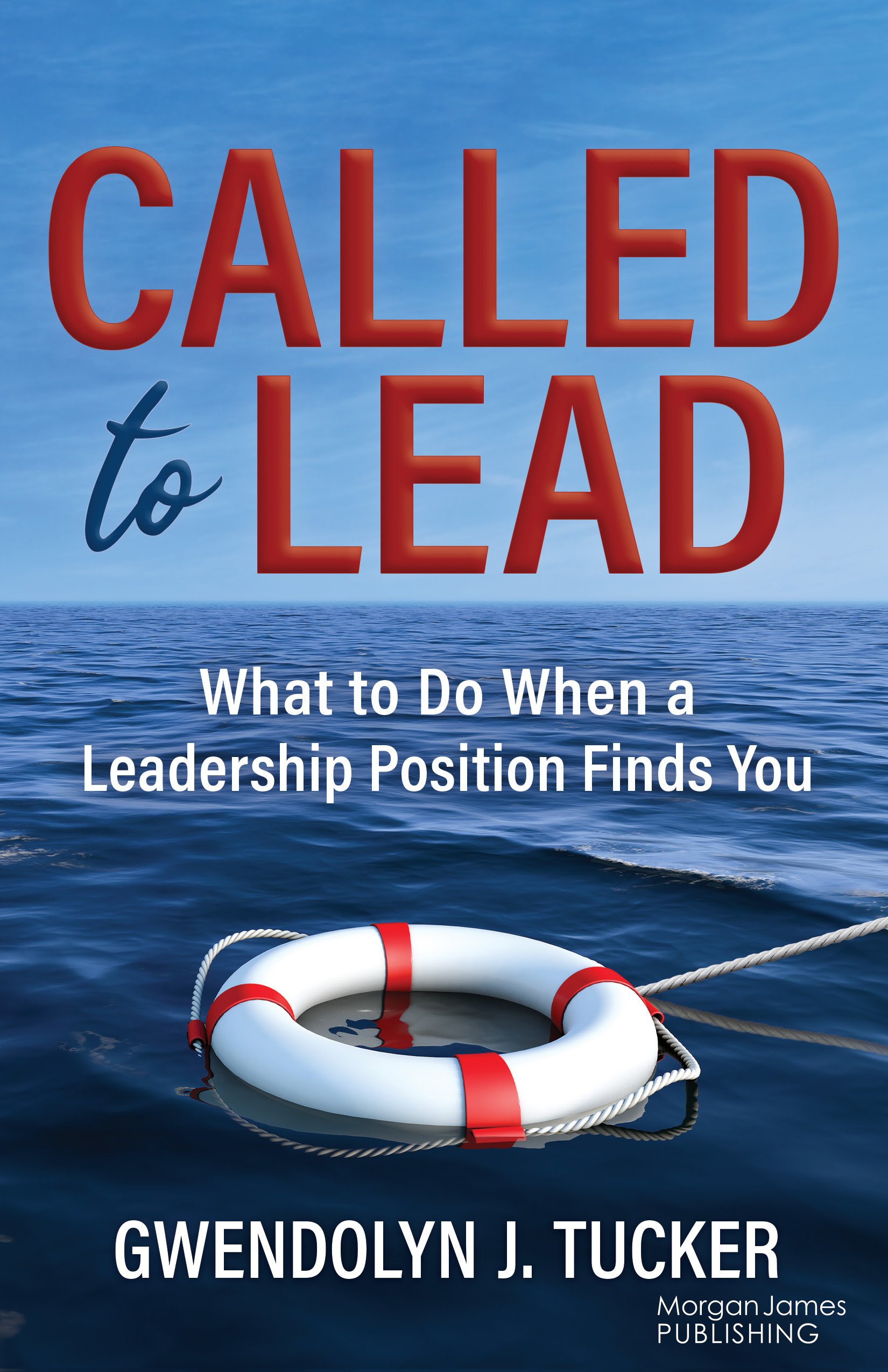
Check out the excerpt below from the Leadership Vault in my book Called to Lead.
Be Brief. Be Bright. Be Gone.
Shortly after I started working for a former boss, I walked into his office, and these are the very words he said: “Be Brief. Be Bright. Be Gone.”
Needless to say, I was surprised by his “greeting.” And I can honestly say it set me back on my heels. It wasn't that I didn't understand every word he said—I did. I just didn't like the way he said it.
I realized right then and there that this could be a potentially rocky relationship. My personality and his style clashed . . . in a BIG way. So I made it my business to understand not only what he said, but what he really meant. And this is what I came to believe:
- Be Brief: Get your message across as efficiently as possible. Get to the point, tell me what you need, and how I can help.
- Be Bright: Give me your best. Show me you've thought through what you're going to say and can get your message across clearly.
- Be Gone: Time is a very precious resource. Say what you're going to say and go about taking action on what we discussed.
When I began to look at his comments in this way, it took away some of the “sting,” and I stopped taking his words personally. Does that mean I learned to like his direct, brusque style? No, not at all, but I learned to adapt.
Finding out what my boss expected was important to me, both in navigating our relationship and for my long-term career.
(The Leadership Vault in my book Called to Lead)

When my boss greeted me by saying, "Be brief, be bright, be gone," it was not music to my ears.
I knew I needed clarity on my boss’s expectations, and I needed it right away. A rocky start can derail even the best intentions.
According to my research, "Most people have trouble with about 50% of their bosses." And conflict with your boss, especially unresolved conflict, can make work feel very stressful and unpleasant.
If that describes you, the Boss Relationship Worksheet was developed with you in mind and will help you pinpoint the source of the "trouble".
Are you ready to improve your working relationship with your boss? The Boss Relationship Worksheet will help you do just that.
To get started, find out how to download your copy below.
Virtual (Online) Learning Opportunity
 |
Join me for a focused conversation designed to offer a clear roadmap for what to do when a leadership position finds you—whether you pursued it or it found you.
This session creates space for reflection, real‑world application, and honest dialogue about what it takes to lead with clarity, courage, and confidence.
Whether you’re stepping into leadership for the first time or strengthening your existing leadership muscles, this Lunch & Learn will meet you where you are and help you become the leader you were called to be.
Want to join the waitlist? Do so below.
Bonus Gift
Improve Your Relationship with Your Boss
Did you choose your boss, or did your boss choose you?
Either way, strengthening that relationship is always a smart move.
Wouldn’t you agree?
If so, the Boss Relationship Worksheet is a practical tool designed to help you:
- Communicate more effectively,
- Understand your supervisor’s expectations, and
- Build a healthier, more productive working partnership.
Clarity with your boss starts here.
Share your information in the form below, and your download will be on its way.
Strong leadership starts with knowing how to work well with the person you report to.
After completing the Boss Relationship Worksheet, take a look at the information below. It will prove helpful in showing you how to cultivate a better working relationship with your boss:

Managing Up
I read an interesting article entitled, "4 Things You Can Say to Make Your Boss Love You" written by Dominque Rogers. They are:
- How can I help you achieve your goals?
- I saw this wasn't done, so I did it.
- I agree...
- I'd be happy to do that.
Now, in some circles, "Managing Up" has a negative connotation. Some believe it implies manipulating your boss, being a "yes" person, or being insincere.
But I would ask you to think about this from another perspective. And this is why.... See more HERE
Managing Conflict
Since conflict is inevitable, developing skills for managing conflict is critical to success: both to you as a leader and for your team. Developing skills to manage and resolve conflict will help you get and stay "ahead of the game."
The conflict management style we choose can depend upon the situation and the person(s) involved. For instance, when dealing with a person in authority, a boss or direct supervisor, we may be more cooperative and less assertive.
Maccoby and Studder are well known for their work identifying steps for managing conflict. See more HERE
Conflict Management Styles
The Conflict Management Styles I am most familiar with are based on the Thomas-Kilmann Model. They are:
- Forcing
- Withdrawing/Avoiding
- Smoothing
- Compromising
- Problem Solving
These styles are measured along two dimensions: Assertiveness and Cooperativeness.
Assertiveness relates to one's concern for their own interests.
Cooperativeness relates to one's concern for the other's interests, or the interests of the person with whom they are dealing. See more HERE
Boss Relationship Worksheet
Once you complete the Boss Relationship Worksheet, it is time to put together your plan for how to improve your working relationship.
Knowing what your boss expects is critical to your success, and the information gathered from your worksheet should assist you in effectively communicating with your immediate supervisor.
Regardless of whether you chose your boss or your boss chose you, leveling up that relationship is always worth it. It can be the difference maker in you daily experience at work.
The Boss Relationship Worksheet gives you a clear, practical way to understand your supervisor, communicate with confidence, and strengthen the partnership that shapes your day‑to‑day success.
When you love what you do — and you work well with the people you’re doing it with — it changes everything.