Lewin Studies
 |
 |
 |
Three basic leadership styles are associated with the Lewin Studies.
Kurt Lewin, along with Lippett and White, conducted research and identified three basic leadership styles: Autocratic, Democratic, and Laissez-faire.
The premise is that a leader uses one of three styles when approaching the group of people they are leading. It further proposes that the style does not change based on the situation but is fixed.
Lewin Studies
The Autocratic Leader
The first style identified by the Lewin Studies is the Autocratic Leader. The leader with this style tends to be one-way: leader to the people.
An autocracy is a system of government in which the decision making is concentrated in the hands of one person. Therefore, an autocratic leader tends to be dictatorial, “uses strong, directive, controlling actions to enforce the rules, regulations, activities and relationships in the work environment.”
There is a "place" for this type of leadership behavior: in an emergency situation where lives are at stake and there is no time to include other points of view. As a rule, this type of behavior has very little "place" in the normal day to day operations of most organizations.

The Democratic Leader
Democratic leadership is also known as Participative Management. Therefore, Lewin describes a democratic leader as collaborative, interactive with followers and seeks buy-in concerning decisions about the work and work environment. Although followers have input, the leader has ultimate decision-making authority, but is willing to share that authority.
This type of leader generally inspires team members, is inclusive and values the opinions of those he or she is leading.
The Laissez-faire Leader
Lewin's Laissez-faire Leader is often referred to as “non leadership” since the leader fails to accept the responsibilities of the position and use his/her influence to create win win situations. This style often results in chaos and loss of respect for the person occupying the leadership position.
My Leadership Journey
At some point on my leadership journey, I displayed at least two styles identified in the Lewin's Studies. As I matured and the leader within me emerged, I moved more towards a Democratic Style. By far, Participative Management (in balance) generates more positive returns – both tangible and intangible – for the organization and the team.
Leadership & Follower Types
Just as there are different Leadership Styles or Types, there are different follower types. For more, please see R. E. Kelley's description of the five Types of Followers.
Virtual (Online) Learning Opportunity
 |
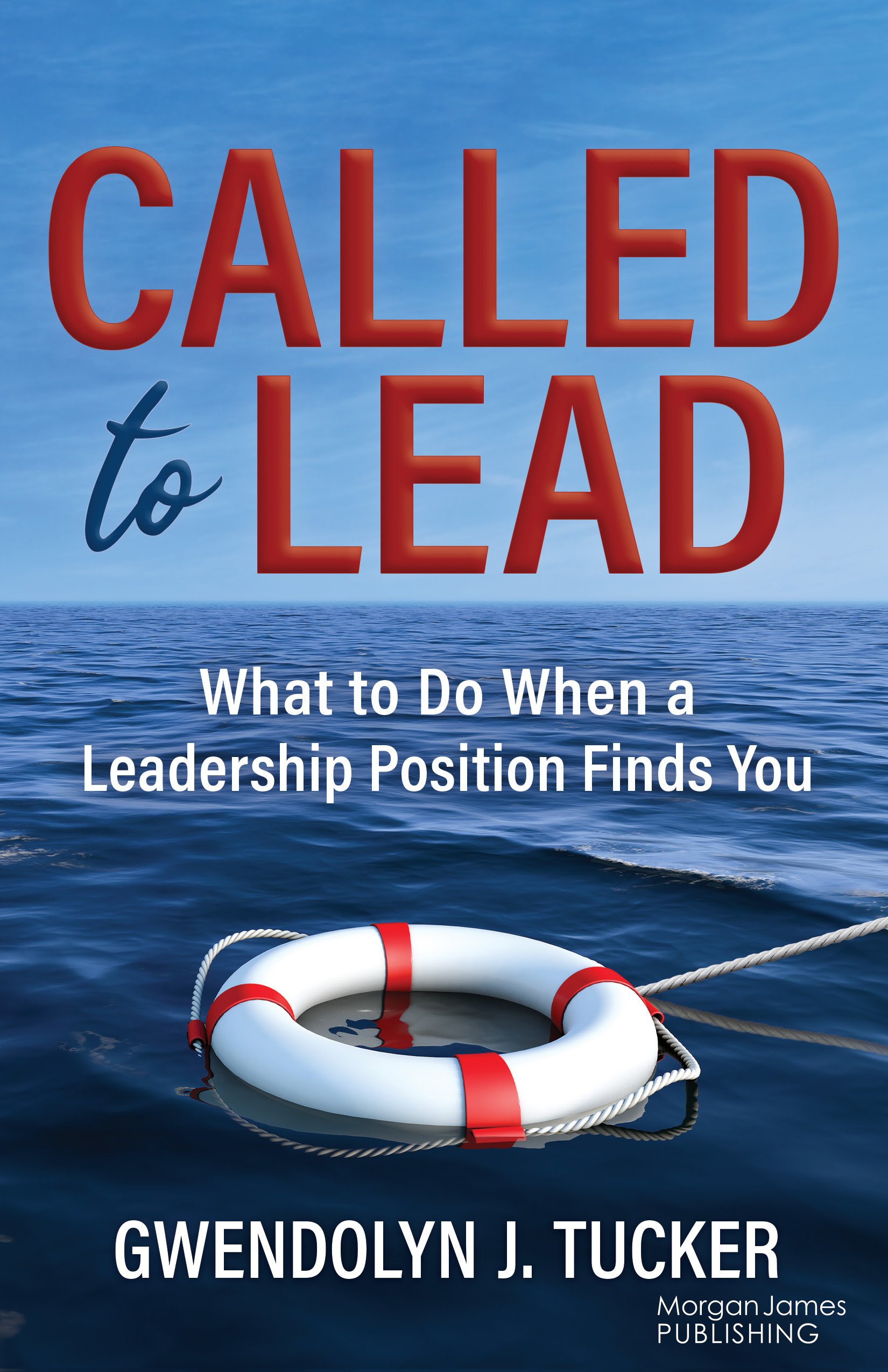
Join me for a focused conversation designed to offer a clear roadmap for what to do when a leadership position finds you—whether you pursued it or it found you.
This session creates space for reflection, real‑world application, and honest dialogue about what it takes to lead with clarity, courage, and confidence.
Whether you’re stepping into leadership for the first time or strengthening your existing leadership muscles, this Lunch & Learn will meet you where you are and help you become the leader you were called to be.
Want to join the waitlist? Do so below.
Bonus Gift
Improve Your Relationship with Your Boss
Did you choose your boss, or did your boss choose you?
Either way, strengthening that relationship is always a smart move.
Wouldn’t you agree?
If so, the Boss Relationship Worksheet is a practical tool designed to help you:
- Communicate more effectively,
- Understand your supervisor’s expectations, and
- Build a healthier, more productive working partnership.
Clarity with your boss starts here.
Share your information in the form below, and your download will be on its way.
Strong leadership starts with knowing how to work well with the person you report to.
After completing the Boss Relationship Worksheet, take a look at the information below. It will prove helpful in showing you how to cultivate a better working relationship with your boss: