Effective Followers
 |
 |
 |
Just as effective leaders possess certain qualities, so do effective followers.
Of the five (5) types, they are the most sought after.
Please read on to find out what those qualities are.
Effective Followers
According to Robert Kelley's work on followership, their are five types of followers. They are:
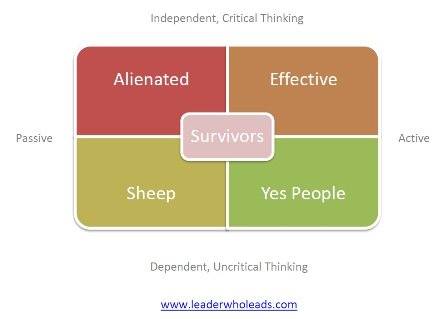
Of the five types listed above, the most effective possess the following qualities:
- Self-Management
- Commitment
- Competence
- Courage
Self-Management
This type of follower is an "emerging leader in disquise".
They practice self-leadership, operate fairly independently and take one hundred percent responsibility for their actions.
They have a strong work ethic and high effectiveness quotient. They can manage themselves, reducing the need to be managed by their boss.

Commitment
Followers who are effective understand the organization's Vision, Mission and Core Values, and they understand their role.
Their commitment is indicated by the degree of engagement in helping their team achieve its goals and objectives.
They are willing to go the extra mile, without being asked. If something needs to be done, they do it.
"Not my job" is not in their vocabulary.
Competence
Competence, one of the three (3) Cs of Credibility, is an attribute of this type of follower.
Whether functional, technical, or non-technical, they keep their skills up to date so they remain relevant in rapidly changing environments.
They are sought out for their expertise, and because they have the ability to get things done.

Courage
Courage, the ability to move forward in the face of fear, is a quality demonstrated by this type.
They are willing to tell people what they NEED to hear, not just what they WANT to hear, even if it is their boss. And they possess the ability to present it in such a way that it is received .
They have a win-win paradigm and seek to achieve it at all times.
Want To Know More?
So, what type of follower are you? Find out by taking this assessment: Effective Quotient.
Effective followers often advance to leadership positions. They often consistently exceed expectations in their role as individual contributors and are called upon to accept increased responsibility.
That is good if they can make the leap from individual contributor to leading and getting work done through others.
It is not good when they fail to get the proper guidance on how to become a leader who leads. (See Ill-Equipped Leaders.)
Virtual (Online) Learning Opportunity
 |
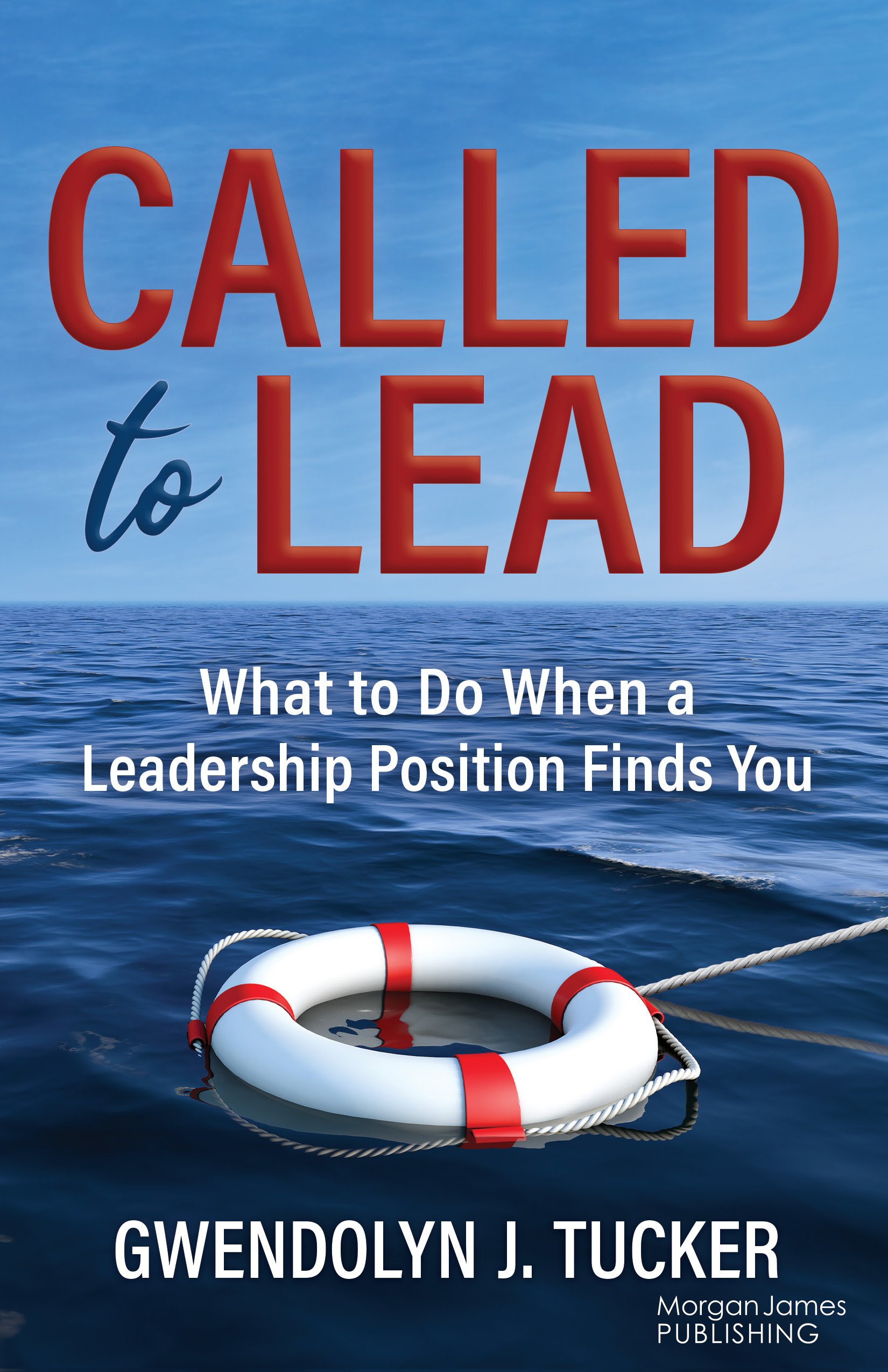
Join me for a focused conversation designed to offer a clear roadmap for what to do when a leadership position finds you—whether you pursued it or it found you.
This session creates space for reflection, real‑world application, and honest dialogue about what it takes to lead with clarity, courage, and confidence.
Whether you’re stepping into leadership for the first time or strengthening your existing leadership muscles, this Lunch & Learn will meet you where you are and help you become the leader you were called to be.
Want to join the waitlist? Do so below.
Bonus Gift
Improve Your Relationship with Your Boss
Did you choose your boss, or did your boss choose you?
Either way, strengthening that relationship is always a smart move.
Wouldn’t you agree?
If so, the Boss Relationship Worksheet is a practical tool designed to help you:
- Communicate more effectively,
- Understand your supervisor’s expectations, and
- Build a healthier, more productive working partnership.
Clarity with your boss starts here.
Share your information in the form below, and your download will be on its way.
Strong leadership starts with knowing how to work well with the person you report to.
After completing the Boss Relationship Worksheet, take a look at the information below. It will prove helpful in showing you how to cultivate a better working relationship with your boss: