Cancerous Behaviors
 |
 |
 |
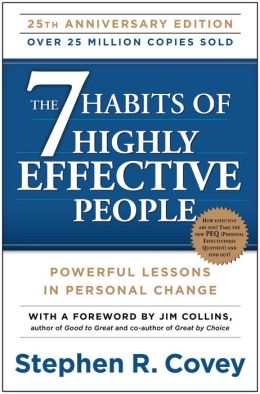
In his book The 8th Habit, Stephen R. Covey identifies five cancerous behaviors that are destructive and will derail individual, team and organization performance.
They are:
- Criticizing
- Complaining
- Comparing
- Competing
- Contending
Engaging in these behaviors will prove detrimental in the workplace.
Let's take a look at them in more detail.

Cancerous Behaviors
If we are not careful, all of us can fall victim to negative thinking and engage in unproductive behaviors. The problem comes when we linger in negative thinking to the point that it manifests in "cancerous" behaviors.
Engaging in these behaviors can lead to major problems, especially in the workplace.
Criticizing
Criticizing is defined as "indicating the faults of someone or something in a disapproving way."
This behavior is usually directed at what others did or did not do. Either the person did something wrong or they failed to do something they were supposed to do. In other words, they did not meet expectations.
Feedback, in and of itself, is not the problem. A problem occurs when feedback is destructive, rather than constructive.
Criticizing is not designed to help the person improve, but to make them look bad. This only serves to make matters worse.
Complaining
Have you ever encountered someone who has the tendency to whine or grumble? Often, they are quick to alert you to their dissatisfaction about a given situation.
Complainers do just that: they like to talk about everything that is wrong.
Zig Ziglar once said, "Some people can brighten up a room just by leaving it." Everyone in the room roared with laughter. But, it is usually not a laughing matter when you encounter a chronic complainer.
Comparing
Unfortunately, comparing ourselves to others can start early in life.
We often compare ourselves in areas of: intelligence, age, height, weight, geographic region, race, gender, etc. And the tendency to make comparisons continues when we the workplace.
This practice of comparing is often designed to determine who is better (good) or worse (bad). It results in "labeling" others, often before you get a chance to know them for who they are.
This cancerous behavior will prove detrimental to working well together as a team.
Competing
This is "Win/Lose" behavior: "I win. You lose." When this paradigm prevails within an organization, everyone loses.
Healthy competition is good. But taken to extremes, competing destroys. In the end, no one one wins.
Actually, unhealthy competition directed internally to members of your organization gives your competition an advantage.
Contending
The person demonstrating this behavior is often looking for a "fight." S/he has a tendency to focus on what is wrong but will not work to help make things right/better.
They have difficulty seeking and finding common ground. They love to disagree disagreeably, generating high levels of unresolved confict.
Complaceny
I would like to add a sixth one: Complacency.
Complacency kills. Letting these behaviors linger (unaddressed) will kill the life of your team.
Tackle these behaviors courageously and see your team thrive.

Want To Know More?
Cancerous behaviors can derail you and your team. Head it off at the pass as it occurs. You and your team will be the better for it.
Virtual (Online) Learning Opportunity
 |
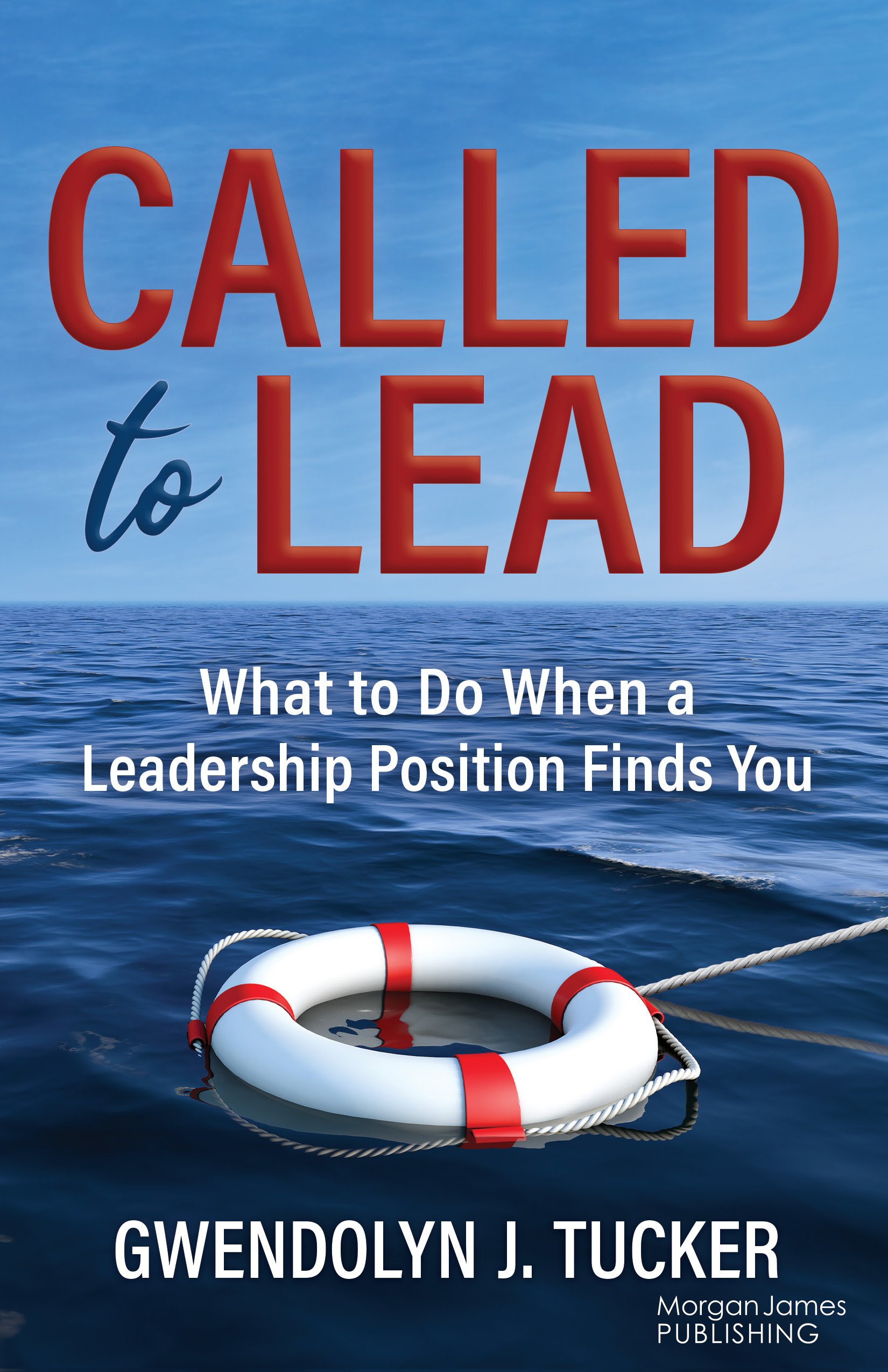
Join me for a focused conversation designed to offer a clear roadmap for what to do when a leadership position finds you—whether you pursued it or it found you.
This session creates space for reflection, real‑world application, and honest dialogue about what it takes to lead with clarity, courage, and confidence.
Whether you’re stepping into leadership for the first time or strengthening your existing leadership muscles, this Lunch & Learn will meet you where you are and help you become the leader you were called to be.
Want to join the waitlist? Do so below.
Bonus Gift
Improve Your Relationship with Your Boss
Did you choose your boss, or did your boss choose you?
Either way, strengthening that relationship is always a smart move.
Wouldn’t you agree?
If so, the Boss Relationship Worksheet is a practical tool designed to help you:
- Communicate more effectively,
- Understand your supervisor’s expectations, and
- Build a healthier, more productive working partnership.
Clarity with your boss starts here.
Share your information in the form below, and your download will be on its way.
Strong leadership starts with knowing how to work well with the person you report to.
After completing the Boss Relationship Worksheet, take a look at the information below. It will prove helpful in showing you how to cultivate a better working relationship with your boss: