360 Degree Feedback
 |
 |
 |
360 Degree Feedback can be very valuable, but the value gained is dependent on your willingness to ask for and act on it.
So what is it? Also known as "multi-rater" feedback, it is a method for gathering information to assess performance. It can help determine what is going well and what could be changed/improved.
It allows you to get the "view from all sides" - including your blind side.
Getting another's perspective on your performance (be it positive or negative), will help detect "blind spots." You will want to know these because blind spots have the potential to become career stallers or stoppers.

360 Degree Feedback
Gathering feedback from multiple sources can be as simple as asking the following questions:
- What is working well?
- What is not working well?
- What are some suggestions for improvement?
Armed with this information, you can develop strategies to maximize your performance, leverage your strengths and minimize weaknesses.
You must be willing to ask for and act upon the feedback received. And you must ask those who will tell you what you need to know, not just what you want to hear.
I recommend including internal AND external stakeholders.
Internal
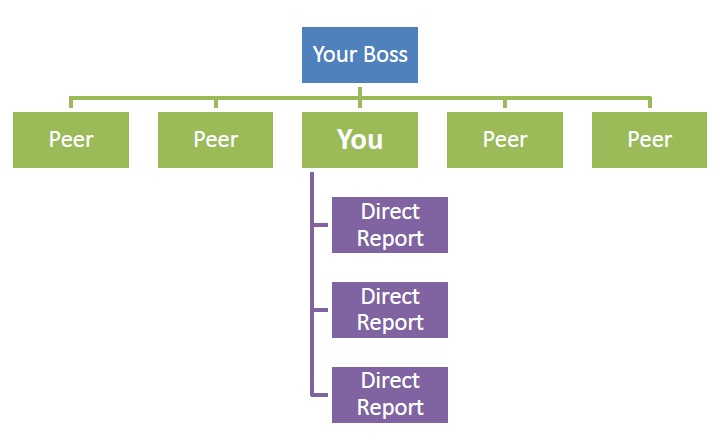
As it relates to job performance, 360 Degree Feedback is an excellent way to get reactions/responses from:
- Your Leader/Boss
- Your Direct Reports
- Your Peers
External
External parties with whom you interact includes, but is not limited to: Customers, Suppliers, Community Groups, etc.
Most companies, if they want to remain competitive, seek feedback from customers, since customers are your bread and butter.
Also, converting a prospect to a customer is quite costly. Therefore, it is in the organization's best interest to keep a pulse on your customers' experience.
If your company is not doing this on a consistent basis, please make plans now to make that happen soon.
A Word From Coach Gwen
If you are not doing so already, I really hope you will step out of your comfort zone and seek feedback on ways you can improve your performance.
Should you decide to do so, these steps will help:
- Thank the person who gives the feedback, even if you disagree. (This is not the time to defend yourself. This is the time to understand and digest the feedback.)
- Tell them the next steps ("Now that I have your feedback, I will....")
- Follow-up to let them know you plan to act on the feedback. (Step 2 above should include an approximate date for following up.)
Note: Please let me know how it goes. I would love to hear from you.

Want To Know More?
Get in the habit of asking both Internal and external parties for feedback. And take appropriate action so your performance will progress from "Good to Better to Best."
This research on the "Impact of Direct Report Feedback and Follow-up on Leadership Effectiveness" gives insight on the value of asking for and responding to feedback.
Virtual (Online) Learning Opportunity
 |
Join me for a focused conversation designed to offer a clear roadmap for what to do when a leadership position finds you—whether you pursued it or it found you.
This session creates space for reflection, real‑world application, and honest dialogue about what it takes to lead with clarity, courage, and confidence.
Whether you’re stepping into leadership for the first time or strengthening your existing leadership muscles, this Lunch & Learn will meet you where you are and help you become the leader you were called to be.
Want to join the waitlist? Do so below.
Bonus Gift
Improve Your Relationship with Your Boss
Did you choose your boss, or did your boss choose you?
Either way, strengthening that relationship is always a smart move.
Wouldn’t you agree?
If so, the Boss Relationship Worksheet is a practical tool designed to help you:
- Communicate more effectively,
- Understand your supervisor’s expectations, and
- Build a healthier, more productive working partnership.
Clarity with your boss starts here.
Share your information in the form below, and your download will be on its way.
Strong leadership starts with knowing how to work well with the person you report to.
After completing the Boss Relationship Worksheet, take a look at the information below. It will prove helpful in showing you how to cultivate a better working relationship with your boss: